@mikaylanogueiraView →
Recommended by TikTok Shop Academy
AI TikTok Shop Video Generator for POV
A pitch invites an argument; a scene invites recognition. Moras writes in second person, holds the frame at the buyer's eye level, and drops the product into the exact moment it solves — narrated by your avatar, never facing the lens.
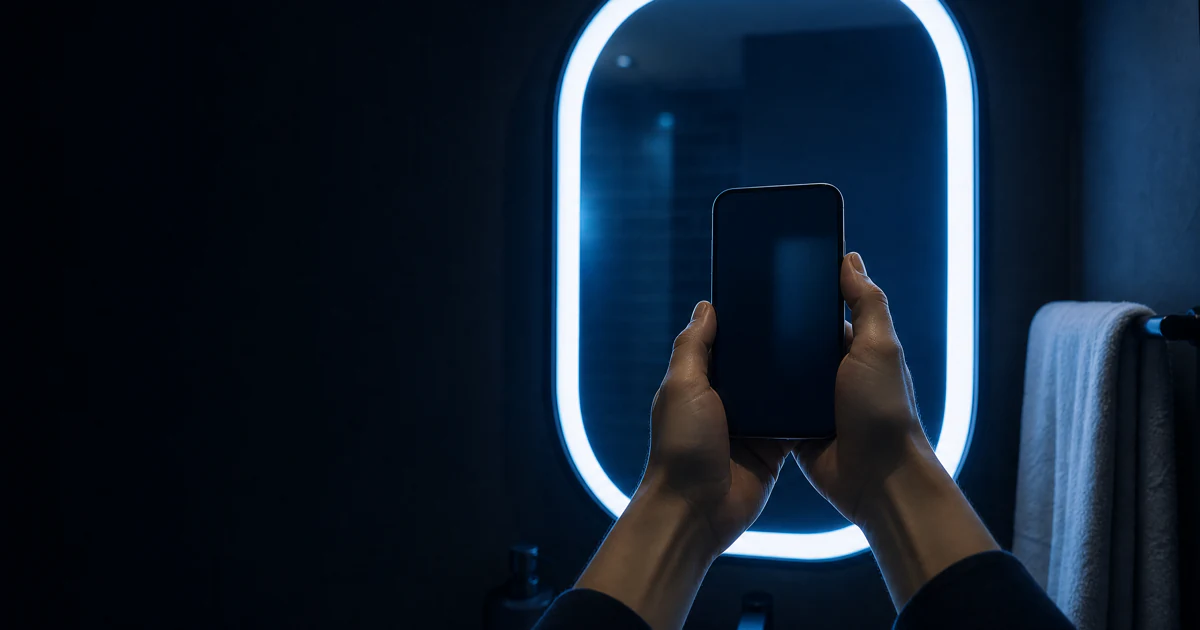
POV
VIDEO
Moras
Make yours with Moras — moras.ai
Start From a Winning POV
Or tap a real TikTok Shop cut to rebuild it as a POV video:
Swipe to explore examples
What Is a POV Video?
A POV video is a TikTok Shop cut filmed and written from the viewer's own eyeline. Instead of a creator facing the camera to explain a product, the frame becomes the buyer's hands, the buyer's bathroom counter, the buyer's 6am kitchen — and the caption names the moment out loud: POV: you finally stopped fighting your hair every morning. The format converts because it skips the pitch entirely. There is no claim to argue with, only a scene to recognise. On TikTok Shop that recognition is the whole hook: the first three seconds place a familiar problem in a familiar room, the product appears as the thing that ends it, and the tap happens while the viewer is still inside the scene rather than watching someone sell from outside it.
POV: You Finally Fixed It
First-person shot of the annoyance, then the product solving it in the same take. Moras writes the situational hook as on-screen text and lands the relief beat on the fix. Best for problem-solution SKUs where the frustration is instantly recognisable.
POV: Morning Routine Cameo
A handheld pass through your real routine with the product appearing in sequence. Moras keeps the narration incidental so the product reads as habit, not as a pitch. Best for beauty, wellness and home SKUs bought as part of an existing routine.
POV: Before You Owned It
Two short first-person scenes — the old way, then the new way. Moras labels the two states, cuts on the contrast and closes on the time or effort saved. Best where the upgrade is about friction removed rather than a visible result.
POV: You Thought It Was a Gimmick
One clip of you testing the claim honestly, from your own eyeline. Moras opens on the doubt in the viewer's own words and hands the verdict to the footage. Best for viral SKUs the audience has already decided are overhyped.
POV: The Deal Ends Tonight
Any existing first-person clip — no new filming needed. Moras reads the live discount off the listing and rewrites the scene around the deadline. Best for campaign windows and flash promos on a SKU you already posted.
POV: Day N of Using It
One short first-person clip per day, filmed from the same eyeline. Moras numbers the days, keeps one voice across them and re-anchors the link each time. Best for building a running series the algorithm can keep re-serving to the same viewers.
One Clip, a Familiar Scene
The camera angle is the easy part. These are the three things that make a POV cut land.
The Hook Is a Situation, Not a Product
POV works because the viewer arrives already inside the scene — they recognise the sink, the commute, the third failed attempt — and the product enters as the resolution rather than the subject. Moras writes the opening line as a situation the buyer has actually lived, drafts eight variants of it per SKU, and only introduces the listing after the scene has been established.
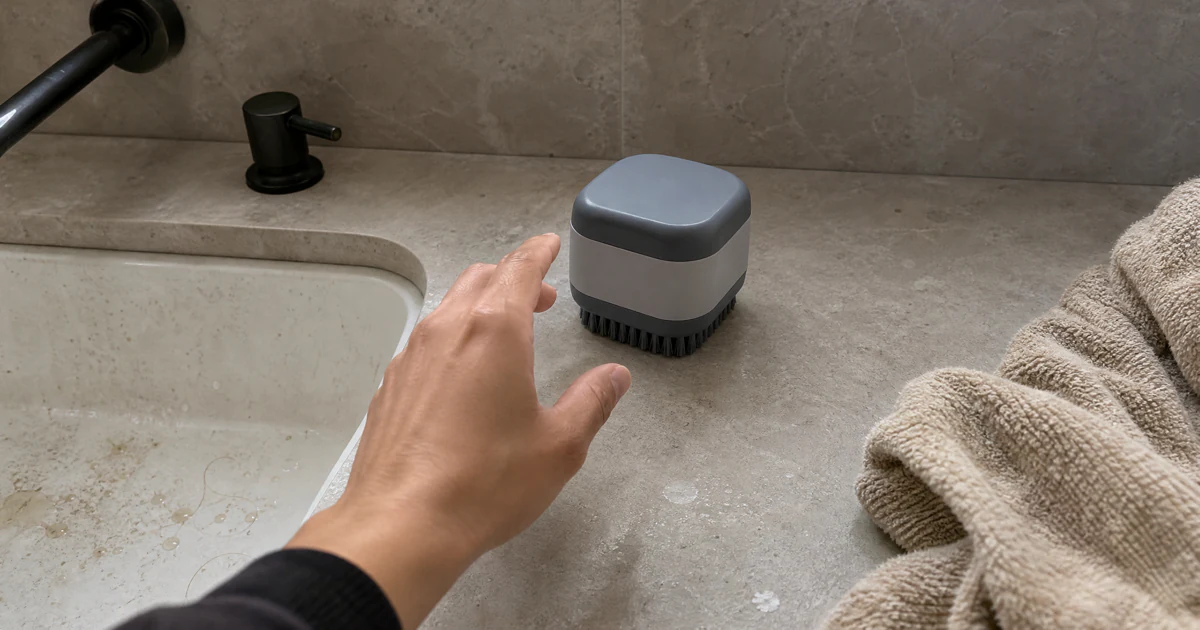
Eyeline and Handheld Feel Are Preserved, Not Smoothed Out
Over-stabilised, over-lit footage breaks the illusion instantly. A POV cut is supposed to look like someone grabbed their phone. Moras keeps your original handheld motion and eyeline intact, matches the avatar narration to the pace of the movement rather than to a metronome, and avoids the polished render look that tells viewers they are watching an ad.
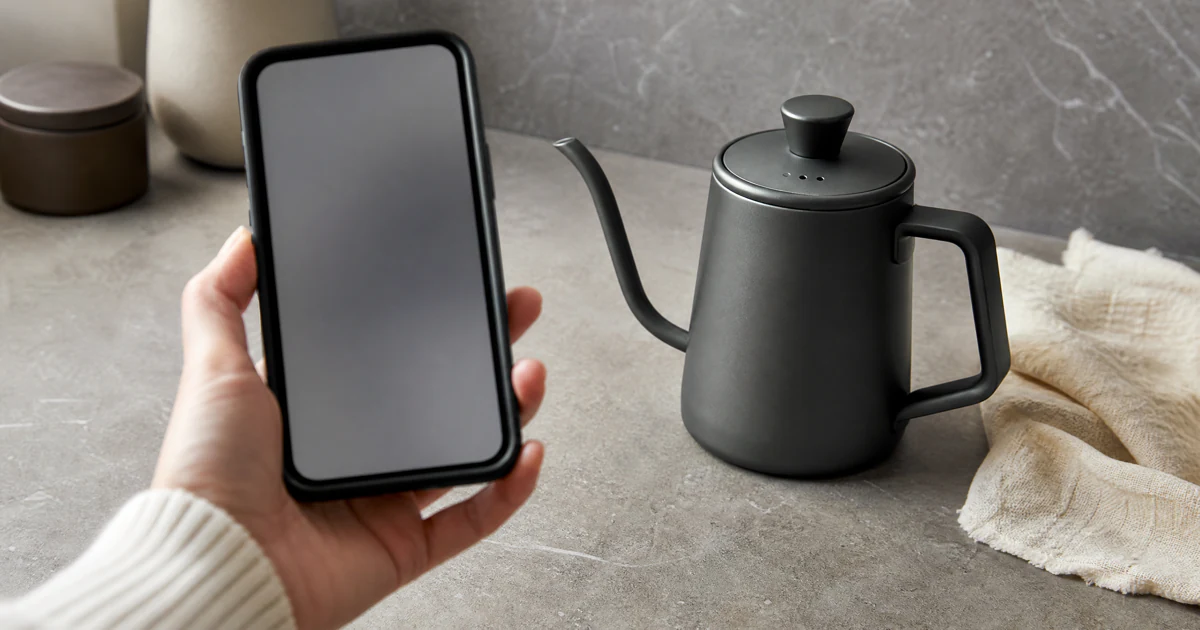
One Scene, Reused Across a Whole Routine
The same first-person clip supports a fix cut, a routine cameo and a deal cut — three hooks, three intents, one filming session. Because the footage is reusable, testing a new angle costs a text edit and about three minutes, and every render still ships with safe-area captions, the AIGC label and the paid-partnership disclosure attached.
How It Compares
Same first-person scene, three ways to produce it — on speed, cost, realism, and compliance.
| Criterion | Moras POV Video | Booked UGC POV | Generic AI Video |
|---|---|---|---|
| TIME TO THREE POV CUTS | ~9 min from one handheld clip | 3–7 days for a briefed UGC shoot | Fast, but the frame is not first person |
| COST PER SKU | Free to use; daily usage limits may apply | $80–$300 per scene, plus revisions | Cheap, and you rewrite the perspective by hand |
| POINT OF VIEW HELD END TO END | Second-person script, eye-level cuts on every render | Depends on the creator's instinct | Drifts into third-person ad copy |
| SCENE VARIANTS PER PRODUCT | Morning, problem-moment and post-purchase from the same footage | One scene per booked shoot | Template swap only |
| VOICE CONSISTENCY ACROSS POSTS | Your trained avatar voice on every cut | Changes with whoever you book | Stock narrator |
| AIGC LABEL AND FTC DISCLOSURE | Attached automatically on render | Manual and frequently missed | None |
Who it's for
Who Uses POV Video
Same first-person workflow, four jobs — pick the lane that matches yours.
Affiliates Chasing Relatable Reach
Trades polish for recognition. The scroll stops on scenes people recognise, not on studio lighting. One handheld clip per SKU and Moras writes the situation around it.
Sellers Selling a Frustration, Not a Spec
Leads with the problem the buyer already has. When the pitch is “this annoyance goes away”, POV shows it faster than any feature list on the listing page.
Creators Running Daily Series
Keeps one eyeline across every episode. Day one to day thirty, same framing, same voice. The series reads as one continuous story even on the days you filmed in ten seconds.
Agencies Testing Hooks at Volume
Ships eight situational openers per SKU. Eight hooks, one scene, one render pass. Keep the opener the FYP rewards and retire the rest the same day.
How to Generate a POV Video With AI
Three steps from one handheld clip to a shoppable scene. You film the moment. Moras handles the POV line, script, voice, captions and disclosure. You end up with three first-person cuts framed at eyeline, each with its own opening line.
- 01
Film the Moment, Not the Product
3–5 seconds shot at your own eye level — the counter at 7am, the hands, the room. Moras treats that clip as the scene the viewer steps into, so nothing has to be staged or lit. - 02
Bind the Listing and Pick the Life
Paste the TikTok Shop link and Moras reads price tier, category and buyer persona, then drafts POV openings for different moments — the rushed morning, the small apartment, the gift — so you choose the scene rather than write it. - 03
Render in Second Person, End in the Basket
Your avatar narrates off camera, captions sit in TikTok's safe area, the product anchor lands after the payoff and the AIGC label attaches automatically. Three cuts render in roughly nine minutes.
Other Ways to Frame the Same SKU
POV puts the buyer inside the scene. The other formats stand outside it and make the case a different way.
POV Video, Answered.
A shoppable cut filmed from the viewer's own eyeline and written in second person. The caption names a moment — POV: your kitchen finally smells clean — and the product resolves it on screen instead of being pitched to camera.
Put the Viewer Inside the Scene
Open Moras, drop in one first-person clip, paste the TikTok Shop link. Three POV cuts come back in about nine minutes — situational hook, narration, captions, disclosure and affiliate link included.