Toys & Collectibles · Display
Hot Wheels Display Case
—Sold to people who already own the cars. The only job is proving a specific collection fits and stays visible, which the reveal does in one shot.
View productDiecast buyers do not shop on specs; they shop on how a shelf looks once the cars are in it. @yisicastillo signed with Moras and turned one display case into a 3M-view cut. Here is the exact build.
The products this creator keeps returning to, with the proof that makes each one convert.
Toys & Collectibles · Display
Sold to people who already own the cars. The only job is proving a specific collection fits and stays visible, which the reveal does in one shot.
View productA display case has no demo, no before-after transformation and no unboxing surprise. This cut wins on one thing collectors care about: what the wall looks like when the cars are finally in view.
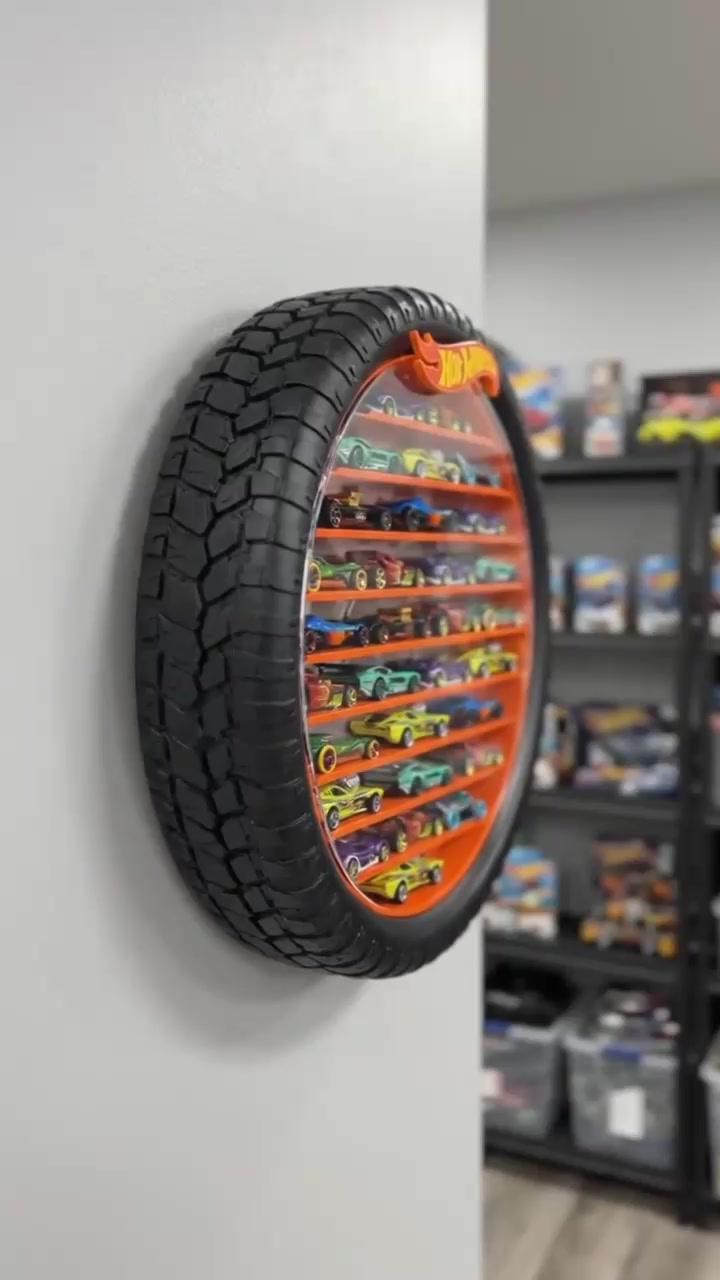
18.7K likes · Hot Wheels display case
Watch on TikTok →Calling all Hot Wheels collectors — time to showcase your collection instead of hiding it in a bin.
The video never argues that the case is well built. It argues that a loose collection is embarrassing and a mounted one is a flex — a status problem, not a storage problem. That framing is why 5.5K people saved it and 7.3K shared it into collector group chats.
Because the audience already owns the cars, the product only has to clear one bar: does my specific collection fit and stay visible. Every shot answers that question with filled slots, not with marketing claims about the acrylic.
Opens by calling out Hot Wheels collectors directly, with cars already stacked messily on the desk behind the frame.
In Moras: Set the audience noun in your prompt — collectors, not shoppers — so the generated opener addresses a hobby, not a household chore.
A pile of unsorted diecast cuts straight to the same cars slotted in the case, filled edge to edge.
In Moras: Use the two-state scene beat: same objects, two arrangements, no transition effect between them.
The camera moves along the case at car level so each model stays readable — the collection is the hero, the case is the frame.
In Moras: Ask for a lateral product pan at subject height instead of a rotating hero shot; the SKU stays in frame the whole beat.
Closes on dust and visibility in a single sentence, then a plain shop prompt with the case still on screen.
In Moras: Keep one benefit line at the end card and let the product occupy the frame during the CTA rather than a text-only outro.
Every caption on this handle opens by naming the collector, not the buyer. That single choice filters the audience down to people who already own the cars, which is why the comment section argues about which models to display rather than whether the case is worth the price. If you sell into a fandom, write the first line to the fandom and let the algorithm find the rest.
The product is always shown loaded, never empty and never in packaging. An empty display case is furniture; a full one is a finished collection. Shooting the end state instead of the object removes the mental work of imagining it, and it is the reason this cut converted at a higher rate than the plain product shots on the same account.
The top cut earned 7.3K shares against 18.7K likes — an unusually high ratio that comes from content collectors forward to other collectors. The videos are built to be sendable: one product, one clear payoff, nothing that needs the sender to explain context. Optimize the middle of the video for the person receiving it, not the person scrolling past it.
The handle shoots on one surface with one lighting setup so the feed reads as a single shelf being built over time. Repetition removes production overhead and builds recognition — returning viewers know within half a second whose video they are in, which buys the extra beat needed to land the hook.
Paste a TikTok Shop link and Moras writes the fandom hook, builds the two-state reveal and ends on the product in frame — the same structure behind this 3M-view case video.